
 ATOL Protected
Pay Easy
ATOL Protected
Choose which cookies you're happy for us to use. You can update these at any time.
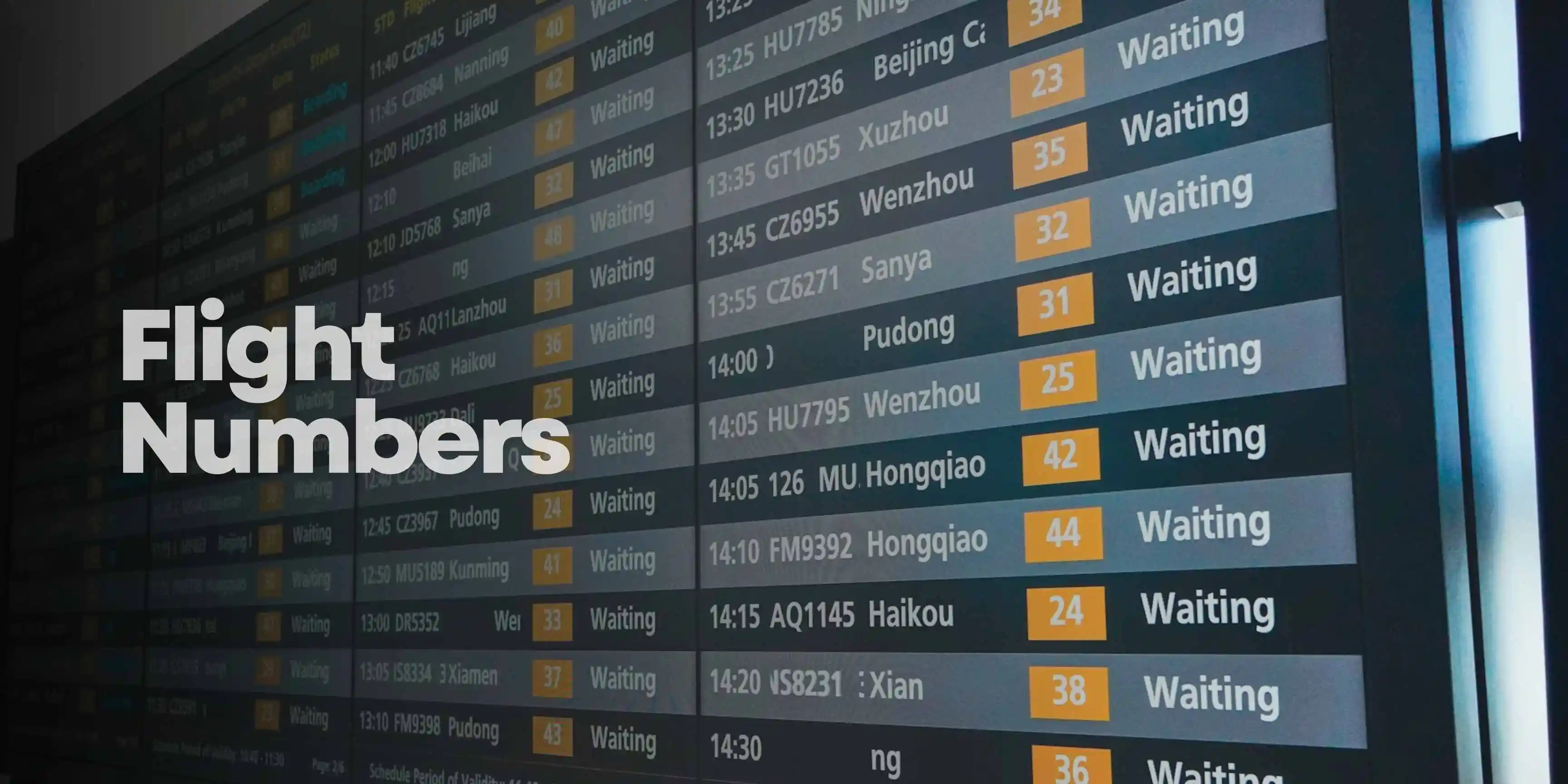
Flight numbers are simple codes you’ll always see on your boarding pass, ticket, and airport screens. It is made up of an airline code and a number, and it is used to identify a specific flight route. In basic terms, the flight number meaning is just a way for airlines, airports, and passengers to know exactly which journey is which.
Every passenger sees a flight number because it is the main way flights are organised and tracked across the world. With thousands of planes flying every day, airlines use these numbers to make sure travellers can easily find their correct gate, departure time, and route without confusion. It is also used by airport systems and staff to manage flights in real time.
One important thing to understand is that a flight number is not random. Airlines assign them using their own internal system, often grouping certain numbers for specific routes, directions, or types of service. While it may look like a random mix of digits, airlines actually structure and apply logic behind how they create them.
In this blog, we will break down exactly what a flight number is, how it works, and what it can sometimes tell you about your journey!
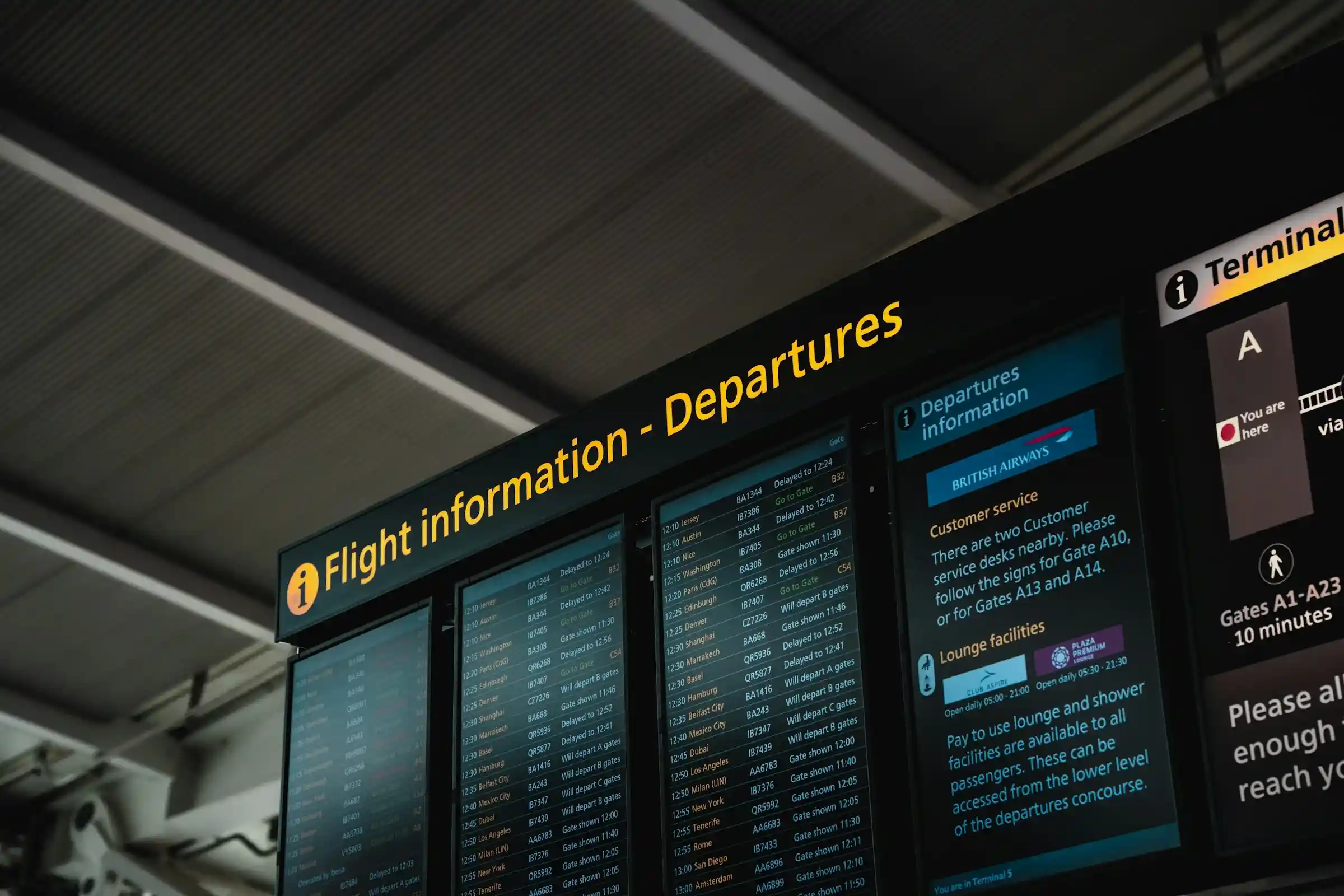
A flight number may look random at first, but airlines around the world follow a clear structure for it. Airlines usually make it up of two main parts: the airline code and the numbers that follow after it.
Every flight number begins with a two-letter airline code. The airline operating the service represents this and assigns it globally.
Examples:
This part ensures that even if different airlines fly similar routes, their flights can still be easily identified.
After the airline code comes the actual flight number, usually between one and four digits. This number is used internally by airlines to organise routes, schedules, and services.
For example:
AI170 (London Gatwick (LGW) to Amritsar (ATQ))
BA093 (London to Toronto (YYZ))
VS302 (London Heathrow (LHR) to Delhi (DEL))
Airlines can use up to 9,999 possible combinations, which gives them enough flexibility to assign unique numbers across thousands of daily flights, including short-haul, long-haul, and seasonal services.
The reason airlines allow up to four digits is simply scale. Large airlines operate hundreds or even thousands of flights every day across different countries and time zones. Having a wide numbering range prevents duplication and helps keep flight schedules organised across their entire network.
One part of flight numbering that often confuses passengers is codeshare flights. This is when two or more airlines share the same flight but assign it different flight numbers. The aircraft is physically the same, but each airline markets it under its own code.
For example, a single flight from London to Dubai might appear as:
EK004 (Emirates)
BA7382 (British Airways codeshare)
Even though it is the same physical flight, passengers may see different numbers depending on which airline they booked with.
Even though they may look random, flight numbers follow a system. Airlines use them to group routes, schedules, and flight importance. For example, certain airlines may assign lower numbers to major long-haul or flagship routes, while higher numbers may be used for regional or less frequent services.
This is why understanding the flight number helps you see that it is more than just a random code. It is part of a structured flight system that keeps global travel organised.
We always clearly show your flight number because it is one of the most important pieces of information for your journey. You will usually find it in several key places before and during your trip.
The most common place is your booking confirmation email or e-ticket. It is usually listed next to your departure and arrival details. On a boarding pass, it appears prominently near your name and flight route, so you can quickly identify the correct flight at the airport.
Most airlines now display your flight number inside their mobile app or “Manage Booking” section. This makes it easy to check your journey details at any time without needing your email.
You will also see your flight number on departure and arrival screens throughout the airport. It shows boarding gates, delays, boarding times, and live status updates. This is especially useful if you are travelling through a busy terminal.
Understanding how to use your flight number is just as important as finding it. It plays a key role throughout your journey.
On ticket / email / boarding pass. This is your main reference for confirming your flight details
Used for tracking flights online. You can enter it on airline or flight tracker websites to see live updates
Helps with delays, gates, and updates. Airport systems use it to show real-time changes to your flight

Flight numbers are not assigned by a central global authority. Instead, each airline creates and manages its own flight numbering system internally. This means the same number in two different airlines does not relate to the same journey or route.
For example, BA249 (British Airways) and EK249 (Emirates) are completely unrelated flights. The system is controlled individually by each airline, which is why flight numbers can vary so much across the industry.
This is an important part of understanding the meaning of the flight number because it shows that airlines create flight numbers without following a universal global rule.
Unlike airline codes, there is no worldwide system that controls flight numbers. Each airline creates its own internal logic for assigning them.
This means:
The same route can have different flight numbers on different airlines
Flight numbers can change over time without the route changing
There is no universal pattern that applies across all airlines
However, after we have looked over a few different flight numbers we have found some airlines may use: Lower numbers for long-haul or flagship routes; Higher numbers for regional or short-haul services; Specific number patterns for return flights or daily services.
This is why flight numbers can sometimes feel inconsistent or confusing. Airlines design them for internal operations, not for global consistency.
A common misunderstanding is that IATA (International Air Transport Association) controls flight numbers. In reality, IATA only assigns the two-letter airline codes (such as BA for British Airways or EK for Emirates).
The actual number part of the flight (for example BA249) is created entirely by the airline itself. This is a key reason why systems differ so much across the aviation industry. You can find more airline codes by searching IATA data base!
One of the most important things to understand is that airlines do not all organise their flight systems in the same way.
Each airline builds its flight numbering based on:
Its route network size
Internal scheduling systems
Operational priorities
Historical route structures
Commercial importance of certain flights
For example, a major airline may treat flagship international routes as priority numbers, while another airline may group flights based on regions or time schedules. This creates different "thinking styles" in how flight numbers are structured. Even though the system looks random from a passenger's point of view, airlines actually design it to help them organise complex global schedules efficiently.
.webp&width=auto&height=auto&dpr=1&format=webp&quality=30)
Even though the booking and travel process often shows a flight number and a booking reference together, they are two completely different things. A flight number identifies the specific flight you are travelling on, while a booking reference serves as your personal code linked to your ticket and reservation.
Airlines, airports, and air traffic systems use the flight number to track and organise the flight itself. For example, it shows which aircraft is flying, the route it is operating, and the scheduled time. In contrast, the booking reference (also called a PNR) is unique to the passenger's booking and passengers use it to access their itinerary, manage their seat, or check in online.
Many passengers confuse the two because both appear on confirmation emails and boarding passes, and both are made up of letters and numbers. However, they serve completely different purposes in the airline system. Understanding the flight number meaning explained helps separate operational flight tracking from personal booking information.
People often confuse them because airlines show them side by side during booking and check-in, and travellers require both when travelling, even though one relates to the flight itself and the other relates to the passenger's reservation.
In simple terms, flight numbers bring together three key things: the airline code, the route number, and the airline’s own internal system for organising flights. Throughout this guide, we’ve seen that the flight number meaning explained is not complicated once you break it down. Flight Numbers are simply a structured way for airlines, airports, and passengers to identify and manage flights clearly across the world.
You must understand that airlines structure flight numbers, but they are not universal. Each airline builds its own system for assigning numbers, meaning there is no single global rule that every airline follows. This is why the same type of route can look completely different depending on the carrier. Some airlines use patterns based on distance, direction, or importance of the route, while others focus on operational scheduling and internal organisation.
The key takeaway is that flight numbers may look random at first glance, but they are not. A system designed to keep global flights running smoothly lies behind every code. Once you understand this, the flight number becomes much clearer. It is less about random digits and more about how airlines structure and manage thousands of daily journeys efficiently.
Thanks for reading our Travel Blog! Scroll down below if you want to similar blogs to this :

Looking for flights from Heathrow to Seattle? This October, you can fly from London Heathrow to Seattle with Alaska Airlines for £445 return, with 23kg baggage included.
.webp&width=1000&format=webp&quality=90)
Looking for London to Ludhiana flights for March 2027? Oceans Travel currently has a London Heathrow to Ludhiana return flight offer from £575 per person with Air India.

Looking for London to Islamabad flights in March 2027? Oceans Travel currently has a London Heathrow to Islamabad return flight offer from £680 per person with Turkish Airlines.
Comments
No comments yet. Be the first to comment!