
 ATOL Protected

Ever been excited about a trip only to run into unexpected common travel problems? We’ve all been there! From lost luggage to delayed flights, common travel problems are almost a rite of passage for any traveller. But don’t worry – these hiccups don’t have to ruin your adventure.
Being prepared and maintaining a positive mindset can make a world of difference. Instead of stressing over potential travel issues, think of them as part of the adventure. After all, the stories you’ll share later are often about unexpected moments. So, pack a little patience, stay flexible, and remember: the journey is just as important as the destination.
So, before you pack your bags, take a moment to think ahead. Preparation and positivity are your best travel companions!
Ready to dive deeper? Let’s tackle these challenges head-on and ensure you’re ready for anything your travels throw at you.

Jet Lag
Jet lag is the problem of every traveller’s existence. You know the feeling – stepping off a long flight only to find yourself in a fog of exhaustion and disorientation.
But what causes this pesky problem, and more importantly, how can you combat it?
Let’s dive in.

Causes of Jet Lag
Jet lag occurs when you travel across multiple time zones, throwing your body’s internal, also known as the circadian rhythm. Your brain struggles to adjust to the new time zone, leading to a bunch of unpleasant symptoms.
Symptoms of Jet Lag
Fatigue, sleep disturbances, and disorientation are the hallmark symptoms of jet lag.
You might find yourself wide awake at odd hours or battling an overwhelming urge to nap in the middle of the day. It’s like your body’s internal clock is stuck in limbo.
Solutions for Jet Lag
Fortunately, there are several strategies you can employ to minimize the effects of jet lag.
First off, try adjusting your sleep schedule a few days before your departure to tackle common travel problems. This can help ease the transition once you land at your destination.
Next, make sure to soak up some natural sunlight upon arrival to combat travel issues. Sunlight helps regulate your body’s internal clock and can help you sync up with the local time.
And don’t forget to stay hydrated! Flying can dehydrate you, which only worsens jet lag symptoms.
In conclusion, jet lag is a common travel problem, but it’s not insurmountable. By taking steps like adjusting your sleep schedule and soaking up some sunlight. You can minimize its effects and make the most of your adventures!
To know more about Jet Lag and other things to know check out our blog post about it!
Lost Luggage
Ah, the sinking feeling when you watch the luggage carousel spin round and round, but your suitcase is nowhere to be found. But fear not!
Let’s unpack the causes of these common travel problems and explore some solutions.

Causes of Lost Luggage
Lost luggage can occur due to airline mishandling or mislabeling. Your bag might get misplaced during a transfer or end up on the wrong flight altogether. It’s enough to make even the most seasoned traveller break out in a cold sweat.
Solutions for Lost Luggage
So, what can you do to avoid the agony of lost luggage? Here are some handy solutions:
- Label your luggage clearly: Make sure your name, address, and contact information are visible on both the inside and outside of your bag.
- Use distinctive tags: Consider using colourful ribbons or unique luggage tags to make your bag stand out in a sea of black suitcases.
- Report it immediately to the airline: If your luggage goes missing, notify the airline as soon as possible. The sooner they know, the better chance they have of locating your bag.
- Pack essentials in your carry-on: Always pack essential items such as medications, toiletries, and a change of clothes in your carry-on luggage to avoid travel issues. This ensures that even if your checked bag is lost, you’ll have everything you need to carry on with your journey.
In conclusion, lost luggage is a travel problem, but with a little foresight and preparation, you can minimize the chances of it ruining your trip. So, label your luggage, pack smart, and rest easy knowing that you’re prepared to handle whatever travel throws your way!
Are you unsure of what to pack when going on holiday?
Dont worry! Oceans Travel has made a blog about all the travel essentials you need!
Flight Delays and Cancellations
Flight delays and cancellations are some of the most annoying travel problems that can completely disrupt your plans. You’re all set for your trip, bags packed, and then you see that dreaded message: “Flight Delayed” or worse, “Flight Cancelled.”
So, what causes these annoying travel issues, and how can you deal with them?

Causes of Flight Delays and Cancellations
Several factors can cause flight delays and cancellations.
Weather is one of the most common culprits. Bad weather can make flying unsafe, leading to delays or cancellations until conditions improve.
Technical issues with the aircraft can also cause unexpected delays, as safety is the top priority.
Lastly, overbooking can result in being delayed from a flight, especially during peak travel times.
Solutions to Handle Flight Delays and Cancellations
So, what can you do to manage these frustrating travel issues? Here are some practical tips:
- Allow Buffer Time in Your Itinerary: Always plan for some extra time in your schedule. If you’re catching a connecting flight, attending an important event, or starting a tour, give yourself a cushion. This way, if there are delays, you won’t be as stressed about missing your next commitment.
- Know Airline Policies: Familiarize yourself with your airline’s policies regarding delays and cancellations. Some airlines offer compensation, meal vouchers, or hotel accommodations for long delays. Knowing your rights can help you navigate the situation more effectively.
- Have Travel Insurance: Investing in travel insurance can be a lifesaver when faced with flight delays or cancellations. It can cover additional expenses like hotel stays, meals, and even rebooking costs. It’s a small price to pay for peace of mind.
Flight delays and cancellations are common travel problems, but they don’t have to ruin your trip. By allowing buffer time in your itinerary, knowing your airline’s policies, and having travel insurance, you can handle these setbacks more smoothly. Remember, preparation is key to overcoming these common travel problems and enjoying a stress-free journey.
So, next time you’re planning a trip, keep these tips in mind. Travel smart, stay informed, and turn those potential travel issues into just minor bumps on the road to a great adventure!
Language Barriers
Travelling to a new country is exciting, but language barriers can be one of the more frustrating travel problems to overcome. Difficulty communicating can lead to misunderstandings and a lot of frustration.
So, how can you overcome these travel issues and make the most of your trip?

Challenges of Language Barriers
The main challenge with language barriers is, unsurprisingly, the difficulty in communicating. Whether you’re trying to ask for directions, order food, or simply have a conversation, not being able to speak the local language can make even simple tasks daunting. This can lead to frustration and sometimes even prevent you from fully enjoying your trip.
Solutions for Language Barriers
Fortunately, there are several strategies to help you navigate language barriers:
- Learn basic phrases: Before you travel, take some time to learn a few essential phrases in the local language. Simple greetings, asking for directions, and polite expressions can go a long way in easing communication.
- Use translation apps: Technology is your friend when it comes to overcoming language barriers. Apps like Google Translate can help you translate text and speech in real-time, making it easier to communicate with locals.
- Relying on body language: When words fail, body language can be incredibly helpful. Gestures, facial expressions, and even drawing pictures can help convey your message when you don’t have the right words.
In conclusion, while language barriers are common travel problems, they don’t have to ruin your trip. By learning basic phrases, using translation apps, and relying on body language, you can navigate these challenges with ease. So, embrace the adventure, communicate creatively, and enjoy your travels!
Health and Safety Concerns
When it comes to travel, nothing can put a damper on your adventure quite like health and safety concerns. From falling ill to facing unsafe food and water, these common travel problems can quickly turn a dream trip into a nightmare.
Let’s delve into the issues and explore some practical solutions.

Issues of Health and Safety Concerns
Travelling exposes you to a variety of health and safety risks, including:
- Illness: Whether it’s a common cold or a more serious illness, falling sick while travelling can be a major inconvenience.
- Injury: Accidents happen, whether you’re hiking in the mountains or exploring a bustling city.
- Unsafe food and water: Consuming contaminated food or water can lead to stomach issues and other health problems.
Solutions for Health and Safety Concerns
Fortunately, there are steps you can take to safeguard your health and safety while travelling:
- Vaccinations: Before embarking on your journey, make sure you’re up to date on any recommended vaccinations for your destination. This can help protect you against common travel-related illnesses.
- Carry a medical kit: Pack a small medical kit with essentials like pain relievers, bandages, antiseptic wipes, and any prescription medications you may need. It’s always better to be prepared for minor health issues.
- Opt for bottled water: To avoid travel issues related to unsafe drinking water, stick to bottled water or other sealed beverages. Avoid ice cubes and be cautious when consuming fruits and vegetables that may have been washed in tap water.
- Ensure food hygiene: When dining out, choose restaurants with good hygiene practices and avoid street food stalls that may not adhere to food safety standards. Wash your hands frequently, especially before eating, and use hand sanitiser when soap and water aren’t available.
In conclusion, staying healthy and safe while travelling is essential for enjoying your trip to the fullest. By taking preventive measures such as getting vaccinated, carrying a medical kit, opting for bottled water, and ensuring food hygiene. You can minimize the risk of encountering health and safety concerns on the road.
Money Issues
Money matters can be a major source of stress for travellers, from dealing with currency exchange to unexpected ATM fees.
Let’s explore some of the most common travel problems related to finances and discover practical solutions to help you manage your money on the road.

Problems with Money
Travelling often involves dealing with various financial hurdles, including:
- Currency exchange: Converting money to local currency can be costly, with exchange rates and fees eating into your budget.
- ATM fees: Using ATMs abroad can come with hefty fees, especially if you’re withdrawing cash frequently.
- Carrying money: Keeping your money safe while travelling can be challenging, especially if you’re carrying large sums of cash.
Solutions for Money Issues
Here are some strategies to help you navigate money issues more effectively:
- Use ATMs for better rates: Instead of exchanging currency at airports or currency exchange offices, opt to withdraw money from ATMs. ATMs typically offer better exchange rates, and you’ll only pay a small fee charged by your bank.
- Carry money in multiple places: Avoid keeping all your cash in one place. Split your money between your wallet, money belt, and luggage to minimize the risk of loss or theft. This way, even if you lose one stash, you’ll still have access to funds.
- Use credit cards with no foreign transaction fees: When making purchases abroad, use credit cards that don’t charge foreign transaction fees. This can save you money on each transaction and provide additional security compared to carrying cash.
In conclusion, money issues are a common concern for travellers, but with careful planning and smart strategies, you can avoid unnecessary expenses and headaches.
By using ATMs for better rates, carrying money in multiple places, and using credit cards with no foreign transaction fees, you can ensure that your finances don’t derail your travel plans.
Wanna know how to Travel Cheap? Check out our blog to find all the secrets of travelling cheaply and making your trip just as exciting!
Accommodation Issues
Accommodation plays a crucial role in shaping your travel experience, but sometimes, things don’t go as planned. From struggling to find available rooms to encountering less-than-ideal conditions, accommodation issues can be a real headache for travellers.
Let’s delve into some of the most common travel problems related to accommodation and explore effective solutions.

Problems with Accommodation
Travellers often face the following challenges when it comes to finding suitable accommodation:
- Unavailability: During peak travel seasons or in popular destinations, finding available accommodation can be a daunting task. Rooms may be fully booked, leaving you scrambling for alternatives.
- Poor conditions: Even when you do manage to secure a room, it may not live up to your expectations. Issues like cleanliness, noise, or outdated facilities can detract from your overall experience.
Solutions for Accommodation Issues
Here are some strategies to help you navigate accommodation challenges more effectively:
- Book in advance: To avoid the stress of last-minute searches, book your accommodation well in advance, especially during peak travel seasons. This ensures that you have a place to stay and can often secure better rates.
- Read reviews: Before booking accommodation, take the time to read reviews from previous guests. Websites like TripAdvisor or Booking.com provide valuable insights into the quality of accommodations, helping you make informed decisions.
- Address issues promptly with staff: If you encounter any issues with your accommodation, don’t hesitate to bring them to the attention of the staff. Whether it’s a noisy neighbour or a cleanliness concern, most establishments will do their best to resolve the problem and ensure you have a comfortable stay.
In conclusion, while accommodation issues can be frustrating, they are often manageable with proper planning and communication. By booking in advance, reading reviews, and addressing issues promptly with staff, you can minimize the impact of accommodation travel issues and enjoy a more enjoyable travel experience.
Transportation
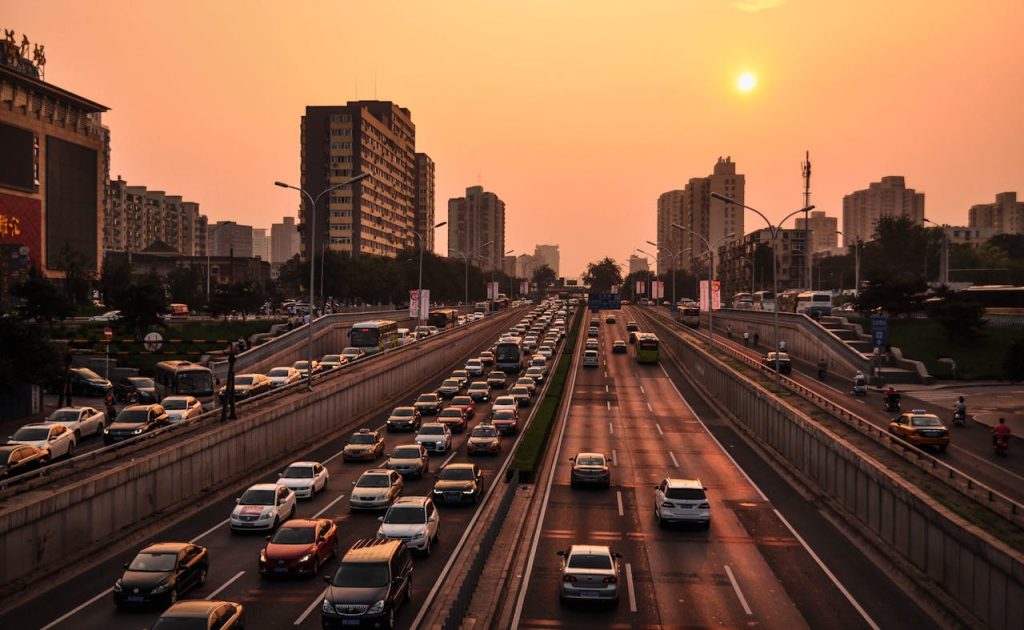
Navigating public transport and rental cars can sometimes feel like trying to solve a complex puzzle while travelling. These transportation challenges are among the most common travel problems faced by adventurers.
Let’s explore some strategies to help you navigate these hurdles and keep your journey on track.
Problems with Transportation
When it comes to transportation, travellers often encounter the following challenges:
- Navigating public transport: Figuring out bus routes, subway systems, and train schedules in unfamiliar cities can be daunting.
- Car rentals: Renting a car can offer freedom and flexibility, but it also comes with its own set of challenges, from navigating unfamiliar roads to dealing with rental companies.
Solutions for Transportation Challenges
Here are some tips to help you overcome transportation challenges and get where you need to go:
- Research routes and fares: Before you embark on your journey, take the time to research public transportation options at your destination. Familiarize yourself with routes, schedules, and fares to avoid confusion and delays.
- Use travel apps: Travel apps like Google Maps, Moovit, or Citymapper can be invaluable tools for navigating public transport. These apps provide real-time information on routes, schedules, and even alternative modes of transportation.
- Understand local transportation options: Each destination has its unique transportation ecosystem. Take the time to understand the local options available, whether it’s buses, trams, ferries, or bike-sharing programs. This knowledge will help you make informed decisions about the best way to get around.
In conclusion, transportation challenges are a common concern for travellers, but with a bit of preparation and resourcefulness, you can navigate them with confidence. By researching routes and fares, using travel apps, and understanding local transportation options, you can ensure smooth sailing on your journey.
Travel Sickness
Ah, travel sickness – the unwelcome companion that can turn a journey into a stomach-churning ordeal. Whether you’re prone to seasickness on a boat or motion sickness in a car, dealing with travel sickness is no fun. Let’s explore some practical tips to help you prevent and relieve this travel problem.

Prevention of Travel Sickness
Prevention is key when it comes to dealing with travel sickness. Here are some strategies to help keep queasiness at bay:
- Sit in stable parts of the vehicle: Opt for seats in the middle of a plane or ship or in the front seat of a car, where motion tends to be less pronounced.
- Avoid heavy meals: Eating a large, heavy meal before travelling can exacerbate feelings of nausea. Stick to light, easily digestible snacks instead.
- Use motion sickness medications: Over-the-counter or prescription motion sickness medications can help alleviate symptoms for some people. Consult with your healthcare provider to find the best option for you.
Solutions for Travel Sickness
If you do find yourself feeling queasy during your journey, here are some tips to help alleviate symptoms:
- Take breaks: If you’re travelling by car, make regular stops to get out, stretch your legs, and get some fresh air. This can help reduce feelings of nausea.
- Focus on the horizon: If you’re on a boat or in a car, focusing on a fixed point in the distance, such as the horizon, can help stabilize your sense of balance and reduce motion sickness.
- Stay hydrated: Drinking plenty of water can help prevent dehydration, which can exacerbate feelings of nausea. Sip water regularly throughout your journey to stay hydrated.
In conclusion, travel sickness can lead to big travel problems, but with some proactive prevention strategies and simple solutions, you can minimize its impact on your journey.
By sitting in stable parts of the vehicle, avoiding heavy meals, and using motion sickness medications as needed, you can travel more comfortably and enjoyably.
Tourist Scams
Tourist scams can quickly turn a dream vacation into a nightmare, leaving travellers feeling cheated and frustrated. From overcharging to pickpocketing, fraudsters prey on unsuspecting tourists in popular destinations around the world.
Let’s delve into some of the most common travel problems associated with tourist scams and learn how to protect yourself from falling victim.

Problems with Tourist Scams
When travelling, tourists may encounter various scams, including:
- Overcharging: From inflated prices at tourist attractions to taxi drivers taking the scenic route to bump up the fare, overcharging is a common tactic used to exploit tourists.
- Pickpocketing: Crowded tourist spots are prime hunting grounds for pickpockets looking to snatch wallets, phones, and other valuables.
- Fraud: Whether it’s fake tickets, counterfeit goods, or credit card skimming, fraudsters use various tactics to deceive unsuspecting travellers.
Solutions for Tourist Scams
To protect yourself from falling victim to tourist scams, here are some practical solutions to consider:
- Stay vigilant: Be aware of your surroundings and trust your instincts. If something feels off or too good to be true, it probably is. Stay alert and cautious, especially in crowded or touristy areas.
- Keep valuables secure: Invest in a secure travel wallet or money belt to keep your cash, cards, and passport safe from pickpockets. Avoid carrying large amounts of cash or flashy jewellery that may attract unwanted attention.
- Educate yourself about common scams: Before you travel, research common scams and tactics used in your destination. Knowing what to look out for can help you avoid falling victim to fraudsters. Stay informed and share information with your travel companions to keep everyone safe.
In conclusion, tourist scams are an unfortunate reality of travel, but with awareness and preparedness, you can reduce the risk of becoming a victim. So, by staying vigilant, keeping your valuables secure, and educating yourself about common scams, you can enjoy your travels with peace of mind.
Wanna keep up-to-date with what’s going on with Oceans Travel? Follow us on our Social Media!
Food Poisoning
Food poisoning is every traveller’s nightmare, turning a delicious meal into a stomach-churning experience. Whether you’re sampling street food in Bangkok or dining at a fancy restaurant in Paris, the risk of food poisoning is ever-present.
Let’s explore the causes, symptoms, and solutions to this travel issue.

Causes of Food Poisoning
Food poisoning can occur due to:
- Contaminated food or water: Consuming food or water that has been contaminated with bacteria, viruses, or parasites can lead to food poisoning. This can happen anywhere, from street vendors to upscale eateries.
Symptoms of Food Poisoning
The symptoms of food poisoning can include:
- Nausea: A queasy feeling in the stomach that may be accompanied by a loss of appetite.
- Vomiting: The body’s natural response to expel harmful substances from the stomach.
- Diarrhea: Frequent, loose bowel movements that can lead to dehydration if left untreated.
Solutions for Food Poisoning
To reduce the risk of food poisoning while travelling, consider the following solutions:
- Eat at reputable places: Choose restaurants and food vendors with good hygiene practices and a high turnover of customers. Busy establishments are more likely to have fresh, safe food.
- Drink bottled water: To avoid travel issues related to contaminated water, stick to bottled water for drinking and brushing your teeth. Avoid ice cubes and be cautious when consuming raw fruits and vegetables that may have been washed in tap water.
- Carry anti-diarrhoea medication: Pack over-the-counter anti-diarrhoea medication such as loperamide (Imodium) to help alleviate symptoms if you do experience food poisoning. It’s always better to be prepared for unexpected stomach upset.
In conclusion, food poisoning is a common travel problem that can put a damper on your trip. By being mindful of where you eat, opting for bottled water, and carrying anti-diarrhea medication, you can reduce the risk of falling ill and enjoy your travels with peace of mind.
Sunburn and Insect Bites
Ah, the joys of travel – exploring new destinations, soaking up the sun, and communing with nature. But along with the adventure comes the risk of sunburn and insect bites, two pesky travel problems that can put a damper on your trip.
Let’s dive into how to prevent and manage these common travel problems.

Problems with Sunburn and Insect Bites
When you’re out and about, enjoying the great outdoors, you may encounter:
- Severe sunburn: Spending too much time in the sun without protection can lead to painful sunburn, leaving your skin red, tender, and peeling.
- Bites from insects: Whether it’s mosquitoes, ticks, or sandflies, pesky bugs can leave you itching and scratching, with red, swollen welts as souvenirs of their visit.
Solutions for Sunburn and Insect Bites
To keep sunburn and insect bites at bay, consider these solutions:
- Use sunscreen: Apply a broad-spectrum sunscreen with an SPF of at least 30 to all exposed skin, and reapply every two hours or after swimming or sweating. Don’t forget those easy-to-miss spots like the tops of your ears and the backs of your knees.
- Wear protective clothing: Cover up with lightweight, long-sleeved shirts, pants, and a wide-brimmed hat to shield your skin from the sun’s harmful rays. Opt for light colours and breathable fabrics to stay cool in hot climates.
- Use insect repellent: Apply insect repellent containing DEET (Diethyltoluamide), picaridin, or oil of lemon eucalyptus to the exposed skin to ward off biting insects. Be sure to follow the instructions on the label and reapply as needed, especially after swimming or sweating.
- Seek medical advice if needed: If you experience severe sunburn or an allergic reaction to insect bites, seek medical attention promptly. A healthcare professional can provide treatment and advice to help alleviate your symptoms and prevent complications.
In conclusion, sunburn and insect bites are common travel problems that can put a damper on your adventures. By using sunscreen, wearing protective clothing, using insect repellent, and seeking medical advice if needed, you can minimize the risk of these pesky nuisances and enjoy your travels to the fullest.
Bad Weather
Ah, the unpredictability of weather – it can make or break a travel experience in an instant. From unexpected rain showers to scorching heat waves, bad weather can throw a wrench into even the most carefully planned trip.
Let’s explore how to prepare for and cope with these travel problems.

Prevention of Bad Weather
To minimize the impact of bad weather on your travels, consider the following prevention strategies:
- Check weather forecasts: Before you embark on your journey, be sure to check the weather forecast for your destination. This will give you a heads-up on what to expect and allow you to plan accordingly.
- Plan flexible itineraries: When creating your travel itinerary, build flexibility to accommodate changes in weather conditions. Have a backup plan for outdoor activities in case of rain or extreme heat.
- Pack appropriately: Bring along weather-appropriate clothing and gear, such as rain jackets, umbrellas, and sun hats, to ensure you’re prepared for whatever Mother Nature throws your way.
Solutions for Dealing with Bad Weather
If you find yourself facing less-than-ideal weather conditions during your trip, here are some solutions to consider:
- Adjust plans: Be willing to adapt your plans based on the weather forecast. If outdoor activities are out of the question, explore indoor attractions such as museums, galleries, or cafes instead.
- Engage in indoor activities: Embrace the opportunity to explore indoor activities and attractions. Whether it’s taking a cooking class, visiting a local market, or enjoying a spa day, there are plenty of ways to make the most of your time indoors.
- Consult locals for advice: Locals are a wealth of knowledge when it comes to navigating the weather in their area. Don’t hesitate to ask for recommendations on indoor activities or hidden gems that shine even on rainy days.
In conclusion, bad weather is a common travel problem that can disrupt your plans, but with a little preparation and flexibility, you can weather the storm and still enjoy your travels.
By checking weather forecasts, planning flexible itineraries, and packing appropriately, you can minimize the impact of bad weather on your trip.
Conclusion
As we wrap up our exploration of common travel problems, one thing becomes abundantly clear: preparation is key. By taking the time to anticipate potential challenges and plan accordingly, you can mitigate many of the issues that arise while on the road.
Recap of the Importance of Preparation
When it comes to dealing with travel problems, preparation is your best defence. Whether it’s researching destinations, packing appropriately, or familiarizing yourself with local customs, taking proactive steps can help you avoid many common pitfalls along the way.
From navigating transportation woes to staying safe in unfamiliar environments, a little preparation goes a long way in ensuring a smooth and enjoyable travel experience.

While travel problems may be frustrating at the moment, they also present valuable opportunities for growth and learning.
Each challenge you encounter on your journey – whether it’s a missed flight, a bout of food poisoning, or a lost passport – offers valuable lessons that can help you become a more resilient and resourceful traveller.
Instead of viewing setbacks as failures, embrace them as opportunities to adapt, problem-solve, and ultimately, become a better traveller.
To sum up, while common travel problems may occasionally throw a wrench into your plans, they need not derail your entire trip. By approaching challenges with a mindset of preparation and viewing them as valuable learning experiences, you can navigate the ups and downs of travel with confidence and resilience.
So, pack your bags, hit the road, and remember – every setback is just another chapter in your travel adventure!

.webp&width=1000&format=webp&quality=90)

Comments
No comments yet. Be the first to comment!